
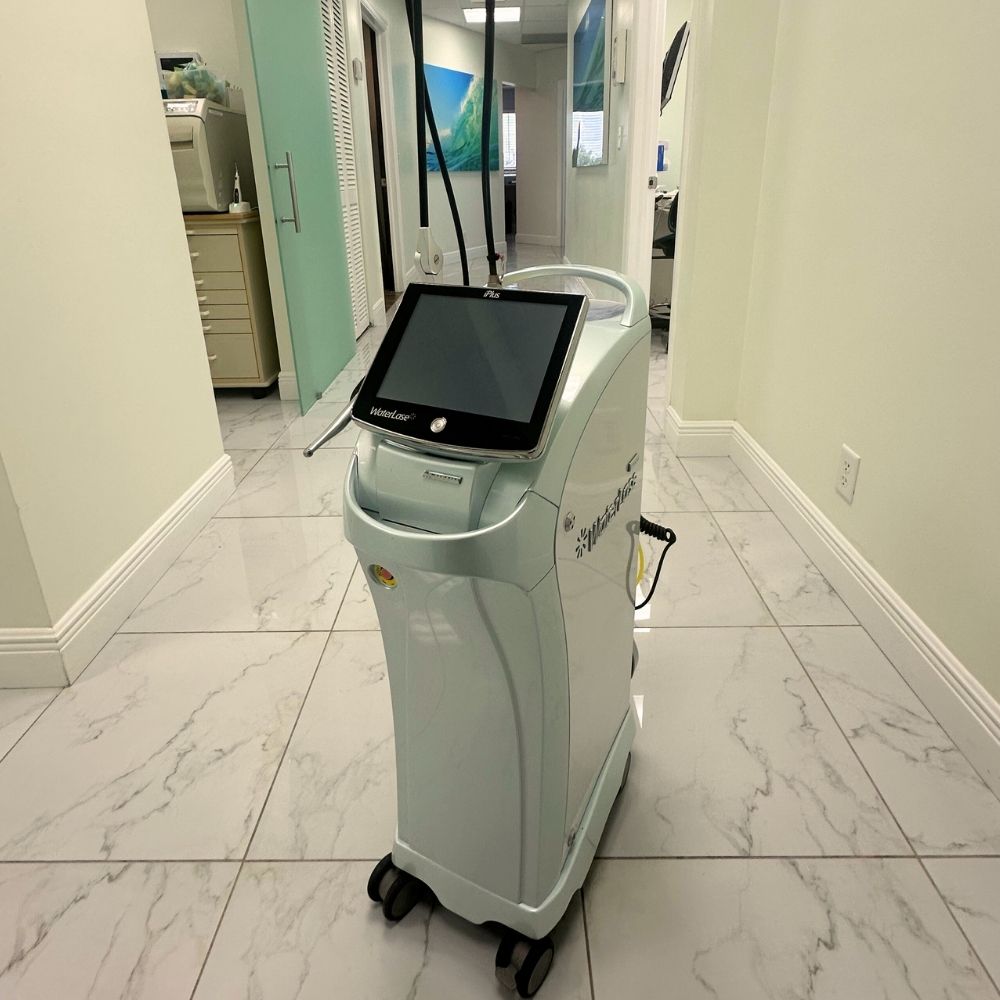
Waterlase Laser Dentistry at Tooth Savers of Boca Raton: A Modern Approach to Oral Care
At Tooth Savers of Boca Raton, we are committed to providing our patients with the most advanced and comfortable dental care available. One of the key innovations we proudly offer is Waterlase dentistry, which combines cutting-edge laser technology with traditional dental practices. This approach allows us to deliver a minimally invasive alternative to conventional treatments, enhancing both patient experience and outcomes.
Understanding Waterlase Laser Dentistry Technology
Waterlase technology at Tooth Savers operates by utilizing a unique device that emits a focused beam of light combined with a fine mist of water. This combination enables precise treatment of various dental tissues—whether hard (like teeth) or soft (like gums)—without the need for traditional drilling. Procedures such as cavity preparation, gum contouring, and even cosmetic enhancements can be performed with greater accuracy and less discomfort.
The benefits of Waterlase are significant for our patients. Many experience reduced anxiety and discomfort compared to traditional dental treatments. The cooling water spray helps minimize heat, while the precision of the laser reduces bleeding and swelling, leading to quicker recovery times. This means that our patients at Toothsavers can enjoy a more pleasant experience, knowing they are receiving top-notch care.
The Role of Dental Assistants at Tooth Savers
At Tooth Savers, our dedicated dental assistants play a vital role in the successful implementation of Waterlase technology. Their responsibilities encompass patient preparation, education, and direct assistance during procedures, ensuring a seamless experience for everyone involved. Here’s how our dental assistants contribute to the Waterlase experience:
- Patient Preparation and Education: Before any Waterlase procedure, our dental assistants take the time to explain the process, addressing any questions or concerns. By educating patients about the benefits of Waterlase, they help to alleviate anxiety and foster trust in our treatment plan.
- Setting Up Equipment: Our dental assistants ensure that the Waterlase device is properly calibrated and ready for use, adhering to strict sterilization protocols. This meticulous preparation is crucial for maintaining a safe and efficient environment.
- Assisting During Procedures: During Waterlase treatments, our assistants play a pivotal role by providing the dentist with the necessary instruments and monitoring patient comfort levels. Their ability to anticipate the dentist’s needs enhances the overall efficiency of the procedure, allowing us to provide optimal care.
- Post-Procedure Care: After the procedure, our dental assistants are instrumental in delivering post-treatment instructions. They advise patients on care routines and follow-up appointments, ensuring that everyone leaves Tooth Savers with the knowledge they need for a smooth recovery.
- Technical Proficiency: As technology evolves, our dental assistants continually update their skills through training in Waterlase technology. This commitment to ongoing education ensures that they are proficient in utilizing this advanced equipment, enhancing the quality of care we provide.
- Patient Follow-Up: Our dental assistants also conduct follow-up calls to check on patients’ recovery and address any concerns. This personalized support reinforces patient satisfaction and loyalty, making our practice a preferred choice in Boca Raton.
Benefits for Patients and Practitioners at Tooth Savers
The integration of Waterlase technology at Tooth Savers not only enhances patient care but also improves practice efficiency. For our patients, the promise of reduced pain and faster recovery is a significant advantage. The minimally invasive nature of Waterlase procedures often leads to a more relaxed dental visit, fostering a positive relationship with oral health.
For our team, the ability to perform precise, efficient procedures can lead to increased patient turnover and satisfaction. The reduced need for anesthesia and lower likelihood of complications contribute to a smoother workflow, allowing us to focus on what matters most—your health and well-being.
Benefits of Waterlase Dentistry for Our Root Canal Patients in Boca Raton
When it comes to root canal treatment, the latest advancements in dental technology can significantly enhance the treatment experience and outcomes. One of the most exciting innovations in endodontics today is laser root canal therapy. By using laser technology, endodontists can provide a more efficient, precise, and comfortable treatment for patients with root canal infections. Below are key reasons why patients should consider a root canal treatment that incorporates laser technology.
1. Superior Disinfection for Better Outcomes
Laser technology offers a highly effective way to disinfect the root canal system. Traditional root canal treatments involve cleaning and shaping the root canals manually, but lasers provide a level of precision that allows for better elimination of bacteria. This improved disinfection significantly reduces the chances of reinfection and ensures a more successful long-term outcome.
2. Quick and Comfortable Treatment
Laser root canal treatment is not only more efficient, but it’s also more comfortable for patients. Lasers can target the infected tissue without the need for drilling or the physical force used in traditional methods. This results in less discomfort, less swelling, and a quicker recovery time. Many patients find that laser treatment is less invasive and causes less post-treatment pain compared to conventional methods.
3. Treating Complex Root Canal Cases
In cases of advanced root canal infections, such as periodontic-endodontic lesions (gum infections combined with root canal infections), laser therapy can make a significant difference. Lasers can reach areas that might be difficult or impossible for traditional tools to access, ensuring that the entire infected area is treated effectively. This means more complex cases, including those with difficult-to-reach canals or intricate root systems, can be managed more successfully.
4. Laser Reaches What Other Tools Can’t
One of the most remarkable benefits of laser technology in root canal therapy is its ability to access and treat areas that are hard to reach with traditional tools. When canals are narrow, curved, or blocked, lasers can be precisely directed to areas that are difficult for endodontists to physically treat. This ensures a more thorough cleaning and disinfection process, leading to a higher success rate.
5. Calcium Hydroxide vs. Laser: A Complementary Approach
In some cases, calcium hydroxide may be used as an intracanal medicament to help disinfect the canal and promote healing. While calcium hydroxide can be effective, lasers can be used in conjunction with it to enhance the cleaning process. The laser can help activate the medicament, improve its penetration, and enhance the overall disinfection of the root canal system.
6. Desensitizing the Tooth Prior to Treatment
Laser technology can also be used to desensitize the tooth before treatment. By targeting the nerves in the tooth, lasers can reduce pain and discomfort during the procedure, making the experience more comfortable for patients. This is especially beneficial for patients with high anxiety or sensitivity to dental procedures.
7. Less Invasive for Crown Removal
Removing a crown for a root canal procedure is often a delicate task that can be cumbersome. Laser technology can simplify this process by gently and accurately removing the crown without the need for excessive force. This reduces the risk of damage to the underlying tooth structure and makes the procedure faster and more efficient.
8. Laser Treatment for Canker Sores, Ulcers, and Irritation
In addition to treating root canal infections, lasers can also be used to address other common oral issues that may arise during or after treatment. For example, if you experience canker sores, mouth ulcers, or irritation from the rubber dam clamp, lasers can be used to treat these conditions quickly and with minimal discomfort. Laser ablation removes the affected tissue, helping to reduce pain and promote faster healing.
9. Minimal Post-Treatment Discomfort and Faster Recovery
Because laser root canal therapy is less invasive than traditional methods, patients typically experience less pain and discomfort after the procedure. The precision of the laser reduces the trauma to surrounding tissues, meaning there’s less swelling and a faster recovery time. Many patients report that they can return to their normal activities within a day or two of treatment.
Conclusion: The Future of Root Canal Treatment
Choosing a root canal treatment that utilizes laser technology offers numerous advantages over traditional methods. From enhanced disinfection and the ability to treat complex cases, to reduced discomfort and quicker recovery, lasers provide a superior alternative for those seeking a more efficient and comfortable dental experience. If you’re in need of a root canal, talk to your endodontist about how laser technology can improve the outcome of your treatment and help you achieve a healthier, pain-free smile.
For more information on laser root canal treatment or to schedule a consultation, contact us today.