
The Benefits of CT Scans for Root Canal Patients at ToothSavers in Boca Raton
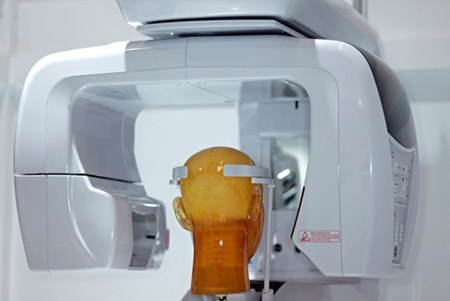
Root canal therapy is a common dental procedure designed to save teeth that have become infected or are severely damaged. At ToothSavers in Boca Raton, we utilize advanced technology to ensure that our patients receive the best possible care. One of the most significant advancements in dental diagnostics is the use of Cone Beam Computed Tomography (CBCT) scans. This cutting-edge imaging technology provides numerous benefits for patients undergoing root canal treatment, enhancing both the diagnosis and treatment processes.
Enhanced Diagnostic Accuracy
One of the primary benefits of using CBCT scans for root canal patients is the enhanced diagnostic accuracy they offer. Traditional X-rays can sometimes miss subtle details, especially when it comes to complex root canal systems. The three-dimensional images produced by a CT scan allow our dentists to visualize the anatomy of the tooth and surrounding structures in greater detail. This level of precision helps in accurately identifying the number of canals, their shapes, and any variations that may exist. As a result, our dental team can develop a more tailored treatment plan, significantly improving the chances of a successful outcome.
Visualization of Complex Anatomy
Teeth can possess intricate root canal systems that vary greatly from patient to patient. Some teeth may have additional canals that are not visible on standard X-rays. CBCT scans provide a comprehensive view of the tooth’s anatomy, including the root morphology and surrounding bone structure. This advanced imaging allows our dentists at ToothSavers to identify any anatomical challenges that may complicate the root canal procedure. By understanding the unique characteristics of each tooth, we can anticipate potential issues and plan accordingly, leading to more efficient and effective treatment.
Improved Treatment Planning
With the detailed imaging provided by CBCT scans, our dental team can develop a more effective treatment plan for each patient. The insights gained from these scans can help in identifying the precise location of the infection, assessing the extent of bone loss, and determining the best approach for accessing the root canals. By having a clear understanding of the tooth’s structure, our dentists can minimize the risk of complications during the procedure, ultimately leading to a smoother experience for the patient.
Increased Success Rates
The use of CBCT scans significantly contributes to higher success rates in root canal treatments. By providing a detailed view of the tooth and its surrounding areas, our dental team can perform the procedure with greater precision. Accurate identification of all canals ensures that each one is properly treated, reducing the likelihood of remaining bacteria or infected tissue. As a result, patients experience a lower risk of retreatment or ongoing discomfort, allowing for a more successful resolution to their dental issues.
Minimally Invasive Approach
In dentistry, a minimally invasive approach is increasingly preferred, as it reduces patient discomfort and recovery time. The information obtained from a CBCT scan enables our dentists to perform root canal therapy with a more targeted approach. By understanding the exact location of the infection and the anatomy of the tooth, we can minimize unnecessary drilling and tissue removal. This not only makes the procedure more comfortable for the patient but also aids in preserving as much of the natural tooth structure as possible.
Enhanced Patient Comfort
Understanding the benefits of CBCT scans can help alleviate the anxiety that many patients feel about undergoing dental procedures. Knowing that we utilize the latest technology to ensure a thorough and accurate diagnosis can instill confidence in patients. At ToothSavers, we prioritize patient comfort and strive to create a positive experience during treatment. By ensuring that we have all the necessary information before proceeding, we can reduce the likelihood of unexpected complications, making the overall process smoother and less stressful.
Fast and Efficient Imaging Process
One of the notable advantages of CBCT technology is the speed at which images can be captured. The imaging process typically takes just a few minutes, making it convenient for our patients. Unlike traditional imaging methods that may require multiple exposures and longer processing times, CBCT scans are efficient and straightforward. This quick turnaround allows our dental team to promptly analyze the images and proceed with treatment, minimizing wait times and enhancing patient satisfaction.
Comprehensive Assessment of Surrounding Structures
In addition to providing detailed images of the tooth itself, CBCT scans also allow for a comprehensive assessment of the surrounding anatomical structures. This includes the jawbone, sinuses, and adjacent teeth. Understanding the relationship between these structures and the affected tooth can be crucial for successful treatment. For example, if a patient has sinus issues, this information can be factored into the treatment plan, ensuring that we address all potential complications.
Long-Term Monitoring
CBCT scans are not only beneficial for immediate treatment; they also serve as a valuable tool for long-term monitoring. After a root canal procedure, it is important to ensure that the tooth remains healthy and free of infection. Periodic follow-up scans can help us assess the healing process and detect any potential issues early on. This proactive approach allows for timely intervention if any problems arise, safeguarding the long-term success of the treatment.
Conclusion
At ToothSavers in Boca Raton, we are committed to providing our patients with the highest standard of dental care. The integration of Cone Beam Computed Tomography (CBCT) scans into our root canal treatment process exemplifies this commitment. From enhanced diagnostic accuracy and improved treatment planning to increased success rates and patient comfort, the benefits of CT scans for root canal patients are substantial. By utilizing this advanced technology, we ensure that our patients receive the best possible care, ultimately leading to healthier teeth and a more positive dental experience. If you have questions about root canal therapy or would like to learn more about how our state-of-the-art technology can benefit you, don’t hesitate to reach out to us at ToothSavers. Your oral health is our priority!