
Boca Raton Endodontic Retreatment
Sometimes, after a root canal is performed, the affected tooth may not heal correctly. A tooth may not heal properly because the previous Endodontist may have missed narrow or curved canals, did not seal the root canal properly, or the crown was not added to the tooth in a timely matter. For teeth that developed new problems or failed to heal, a retreatment procedure can save the natural tooth.
When faced with dental issues such as persistent pain or infection, patients often encounter the dilemma of whether to retreat a root canal or opt for tooth extraction. At Dr. Glen Mitchell Endodontics in Boca Raton, we emphasize the importance of individualized care to ensure the best outcomes for our patients.
Understanding Root Canal Retreatments
A root canal is a common procedure designed to save a tooth that has become infected or damaged. During this procedure, the infected pulp is removed, the root canals are cleaned and sealed, and the tooth is restored to its original function. However, in some cases, a tooth that has undergone root canal therapy may still exhibit symptoms or develop new issues. This can happen due to various reasons, such as the presence of untreated canals, a new infection, or a fracture in the tooth.
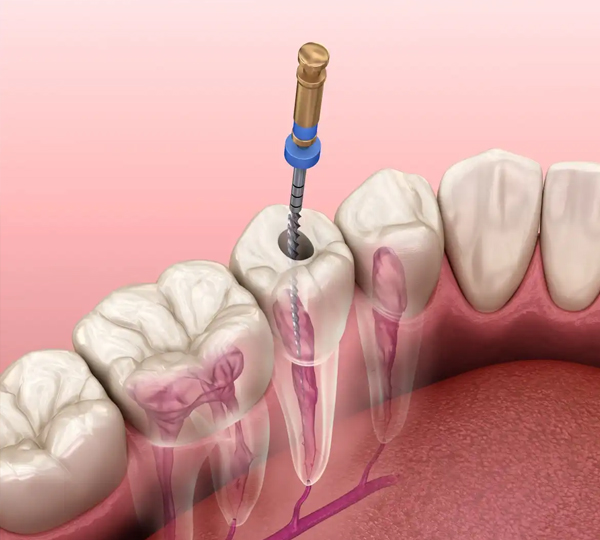
Retreating a root canal involves reopening the tooth, cleaning out the existing filling material, and thoroughly disinfecting the canals again. This procedure allows the dentist to address any issues that may have been overlooked during the initial treatment. Patients who choose to retreat their root canal often have a good chance of saving their tooth, avoiding the complications that can arise from extraction.
Advantages of Retreating a Root Canal
- Tooth Preservation: One of the primary benefits of retreatment is that it allows patients to keep their natural tooth. Retaining the tooth is crucial, as it maintains the integrity of the surrounding teeth and jawbone.
- Less Invasive: Retreating a root canal is generally less invasive than extraction. It often involves fewer complications and a shorter recovery time.
- Cost-Effectiveness: While retreating a root canal may involve additional costs, it can be more economical in the long run compared to the expenses associated with extraction and subsequent replacement options like implants or bridges.
- Familiarity: For many patients, the prospect of retreating a root canal can be less intimidating than tooth extraction, which can bring about anxiety and fear of complications.
When Extraction May Be Necessary
In some situations, retreating a root canal may not be feasible or advisable. If the tooth is severely damaged beyond repair, if there is significant bone loss, or if the tooth is fractured, extraction might be the best option. Additionally, certain patients may have systemic health issues that complicate further treatment.
Extraction, while often seen as a last resort, can also be beneficial in specific circumstances. It allows for the prompt resolution of infection and can pave the way for the placement of a dental implant or bridge to restore functionality and aesthetics.
Making the Right Choice
Deciding between retreating a root canal and extraction requires careful consideration and expert guidance. At Dr. Glen Mitchell Endodontics, we conduct a thorough evaluation of each patient’s unique situation, including imaging studies and a detailed medical history. We work collaboratively with patients to discuss the pros and cons of each option, ensuring they feel empowered to make an informed decision.
Ultimately, whether you choose to retreat your root canal or proceed with extraction, Dr. Glen Mitchell and his dedicated team are here to provide compassionate care, expert treatment, and support throughout your dental journey. Your comfort and well-being are our top priorities as we strive to achieve the best possible outcomes for your oral health.